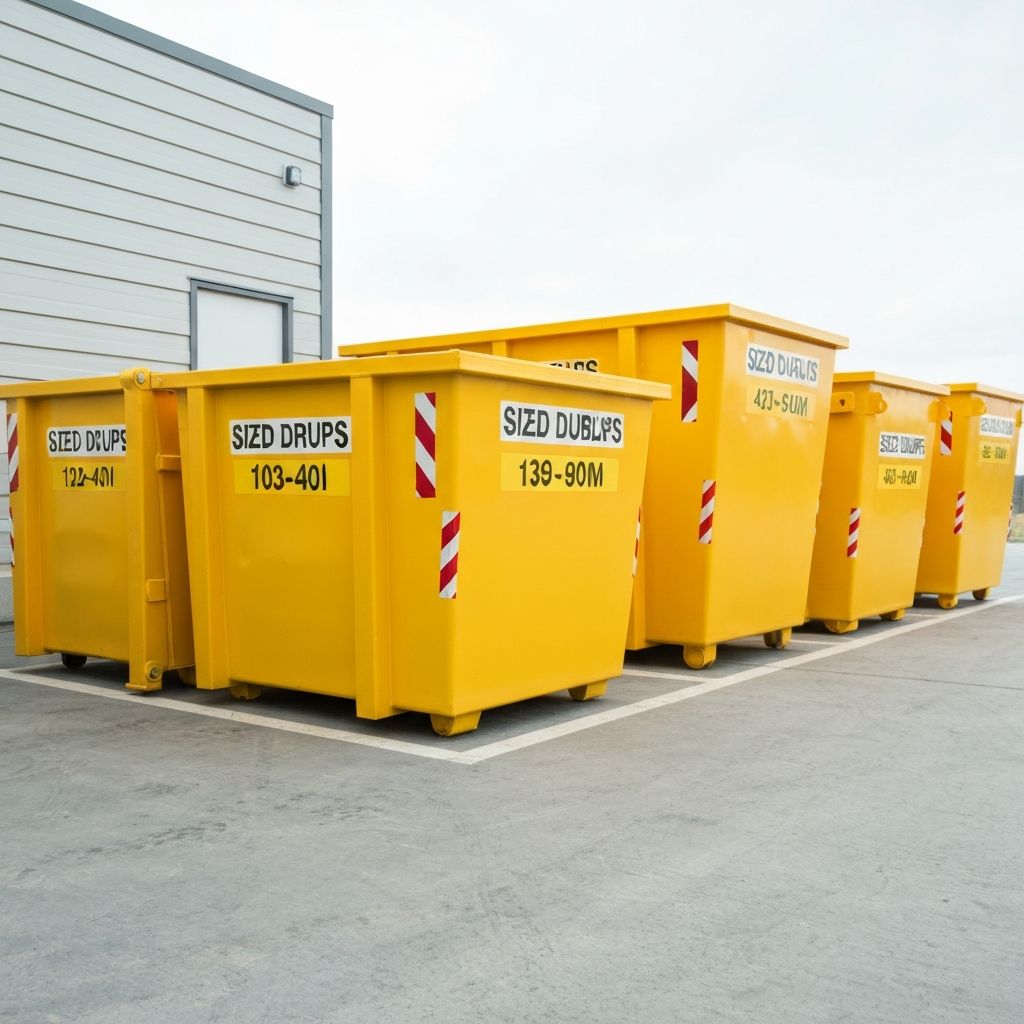
A roll off dumpster handles most of what a project throws off — wood, drywall, furniture, roofing, general junk. But a handful of items are prohibited almost everywhere, and putting them in the container can mean a rejected load, a surcharge, or a trip back to sort it out.
The reason is simple: landfills won't accept certain materials because they're hazardous, flammable, or recyclable by law. Here's what to keep out, and what to do with each instead.
Why some items are banned
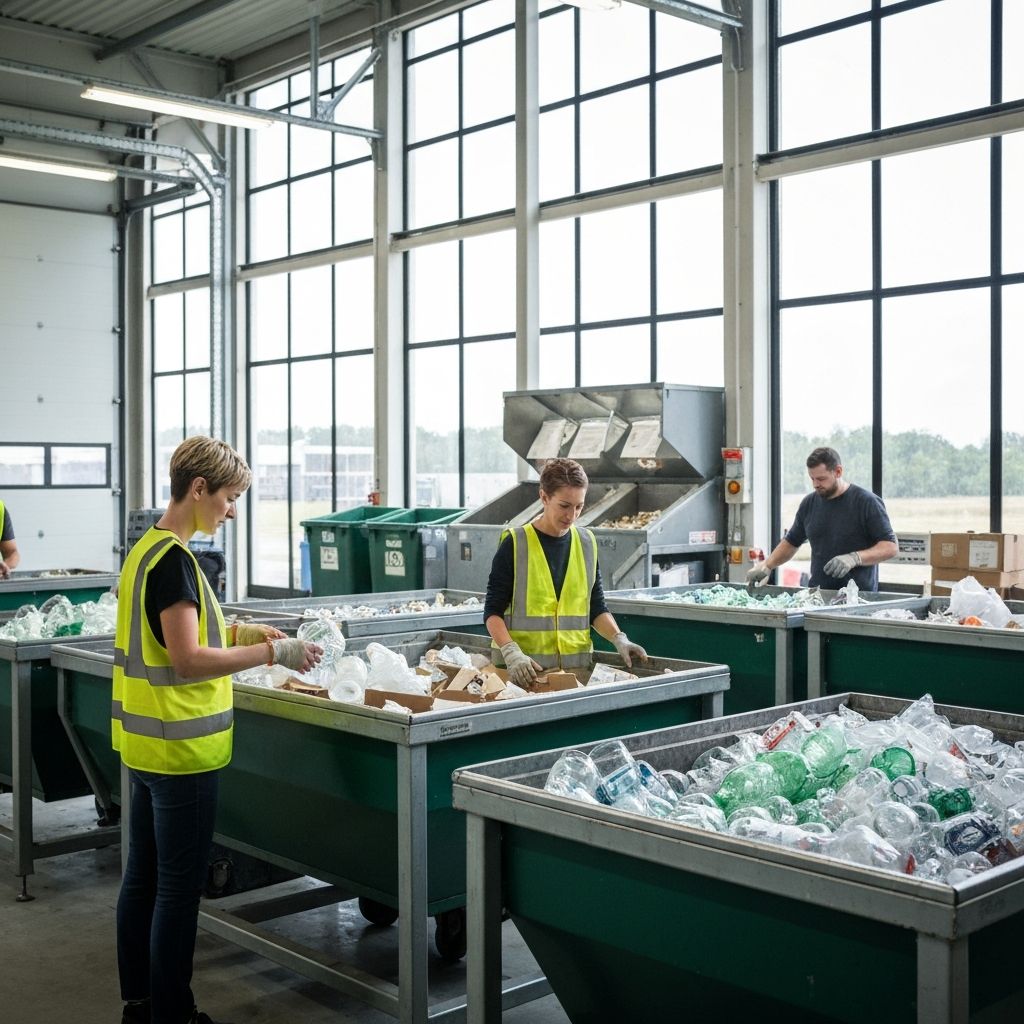
Prohibited items fall into a few buckets: hazardous chemicals that can contaminate a landfill, pressurized or flammable items that are dangerous to compact, and materials that regulations require to be recycled or handled specially. When one of these ends up in a mixed load, the whole container can be turned away at the facility — which is why rental companies ask you to keep them out from the start.
The common prohibited items
Paint and liquid finishes
Wet paint, stain, solvents, and thinners are not allowed. What to do instead: dried-out latex paint is often accepted as regular trash once fully solid — leave the lid off, add cat litter or a paint hardener, and let it dry. Oil-based paints and solvents are hazardous waste; take them to a household hazardous waste collection event or drop-off. Many paint retailers also run take-back programs.
Tires
Tires are banned from most landfills because they trap gases and resurface over time. What to do instead: most tire retailers accept old tires for a small recycling fee, often waived when you buy replacements. Some county collection sites take them directly.
Batteries
Car batteries, lithium batteries, and rechargeables are prohibited — they leak acid and can spark fires when compacted. What to do instead: auto parts stores take lead-acid car batteries, usually with a core credit. Many hardware and electronics retailers have drop-off bins for household and rechargeable batteries.
Appliances with refrigerant
Refrigerators, freezers, air conditioners, and dehumidifiers contain refrigerant that must be professionally removed before disposal. What to do instead: have the refrigerant evacuated by a certified technician, then the metal shell can often go in the dumpster — or a scrap metal recycler will take the whole unit. Tell us what appliances you have and we'll confirm what's allowed before delivery.
Electronics
TVs, monitors, computers, and other e-waste are banned in many places because of the lead and heavy metals inside. What to do instead: electronics retailers and county e-waste events accept them, frequently for free. Working equipment can be donated.
Other items to keep out
- Motor oil, antifreeze, and other automotive fluids
- Propane tanks and other pressurized cylinders
- Asbestos-containing materials (requires licensed abatement)
- Medical waste, needles, and pharmaceuticals
- Wet concrete or hazardous sludge
What you can put in
The good news is the list of allowed materials is much longer: lumber, drywall, cabinetry, furniture, flooring, roofing shingles, yard waste, general household junk, and most construction debris are all fine. For a full breakdown, see our guide on what you can put in a dumpster.
Heavy materials like concrete and brick are allowed too, but they carry weight rules that make sizing matter — a small container is often the right call. Our 10 yard dumpster is usually the best fit for dense debris.
When a load gets rejected
If a prohibited item is found during loading or at the transfer facility, the load can be refused or charged a sorting fee. The fix is prevention: keep the banned items separate as you work, and when you're unsure whether something qualifies, ask before it goes in. A quick question costs nothing; a rejected load costs a return trip.
Getting it right
Keep hazardous, pressurized, and recyclable-by-law items out of the container, and route each to the right place — retailers, county events, and scrap recyclers handle nearly all of them, often for free. Everything else goes in the dumpster. Renting in Muskogee, Pierre, or one of our other markets? Call us with your list and we'll tell you exactly what can and can't go in before we deliver.