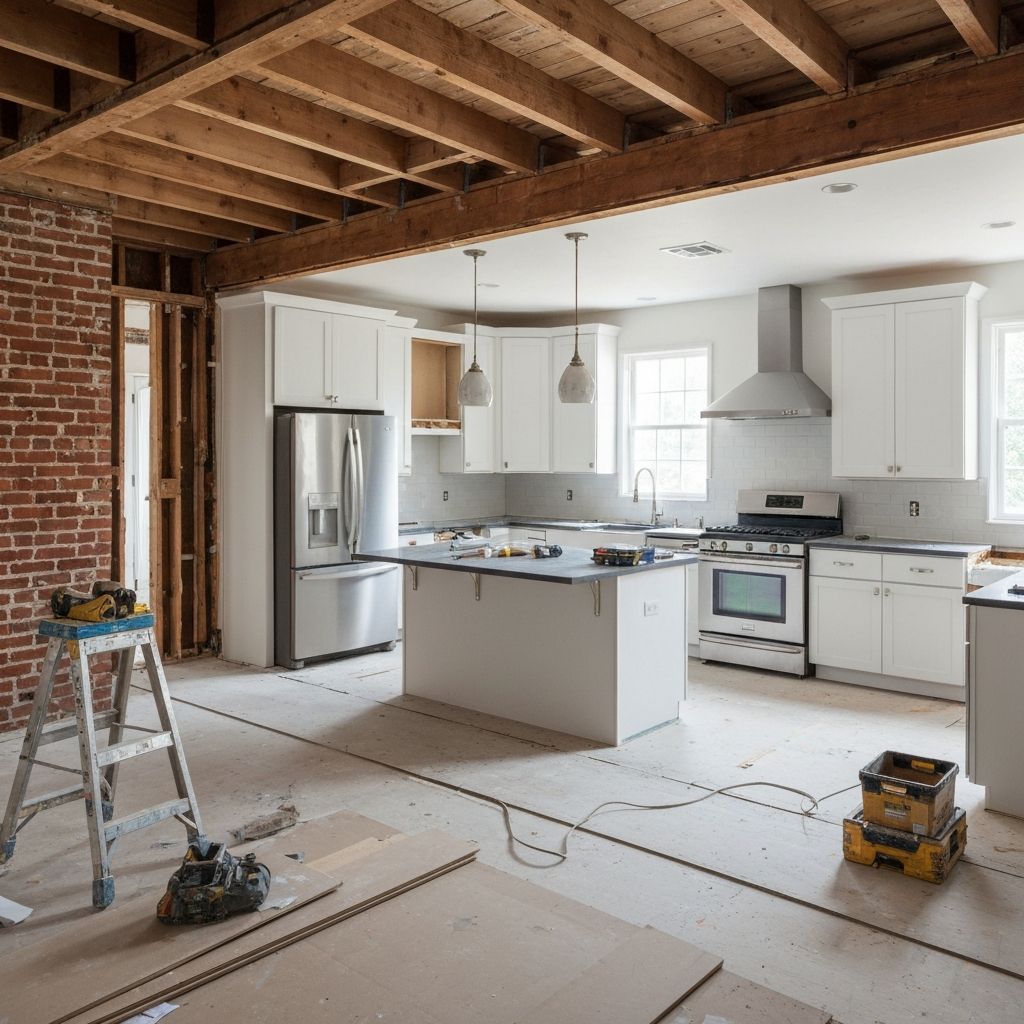
Home renovations are exciting, but they also generate significant amounts of waste. Proper waste management is essential for keeping your project on schedule and maintaining a safe work environment.
1. Plan Ahead
Before starting your renovation, estimate the amount of waste you'll generate. Consider the following:
- What materials are being removed (drywall, flooring, cabinets)?
- How large is the renovation area?
- Will you be doing demolition work?
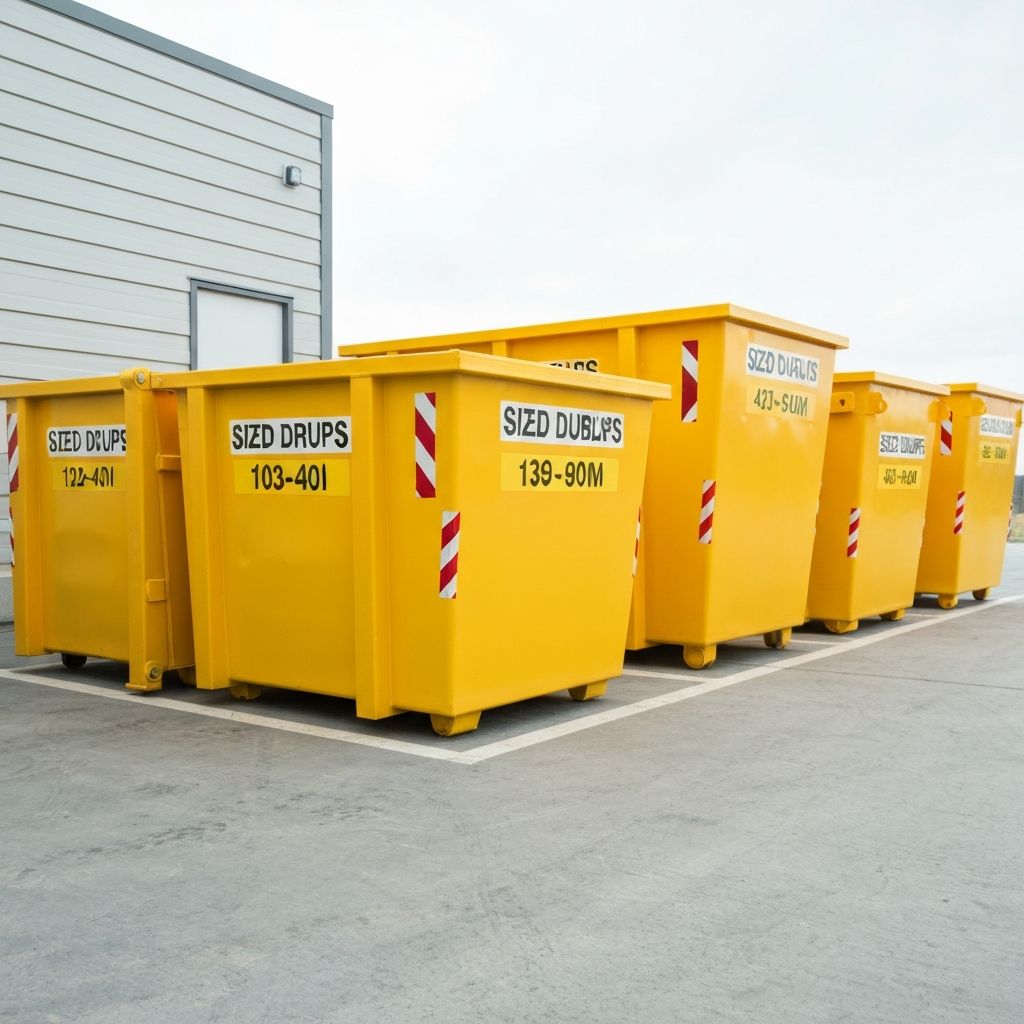
Having a clear plan helps you choose the right dumpster size and schedule deliveries appropriately.
2. Schedule Your Dumpster Delivery Strategically
Time your dumpster delivery to coincide with the demolition phase of your project. This ensures you have a place to dispose of debris immediately, rather than having it pile up in your yard or garage.
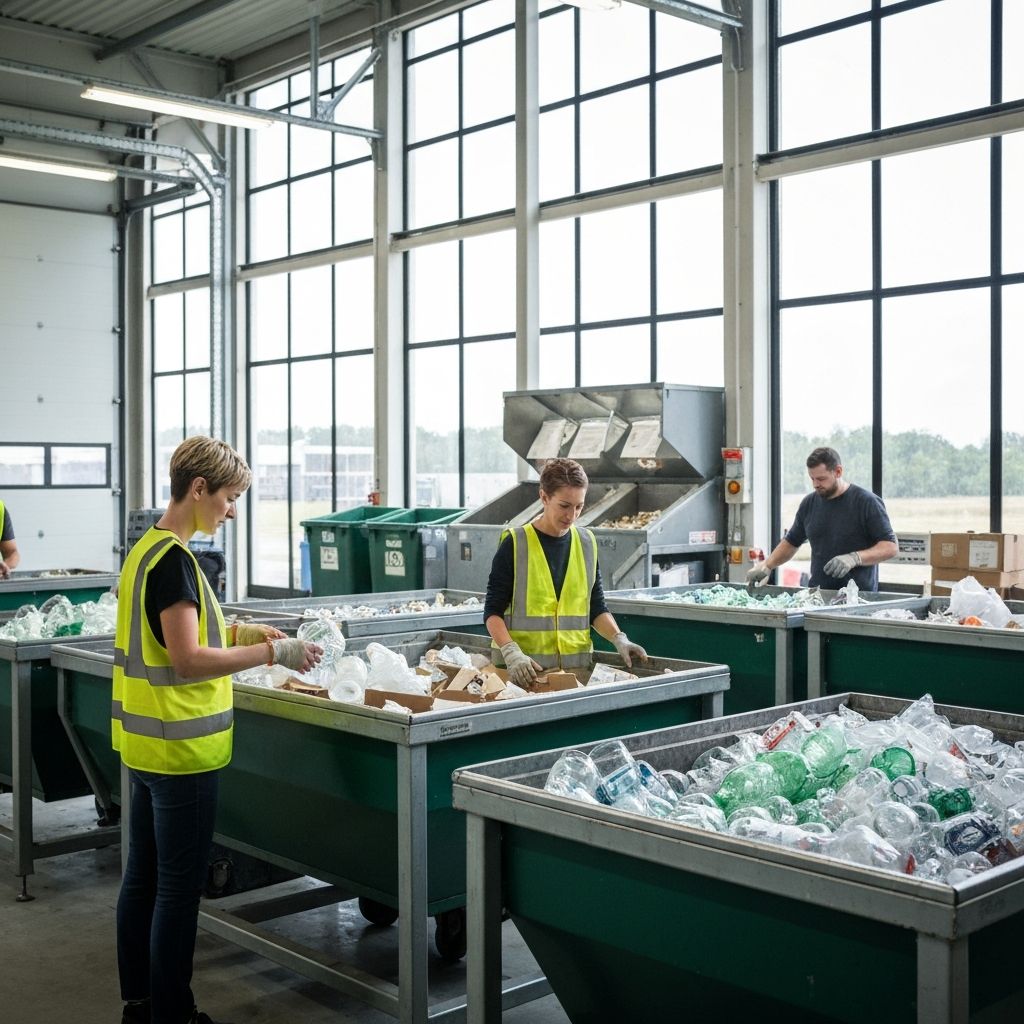
3. Separate Recyclable Materials
Many renovation materials can be recycled, including:
- Metal (pipes, fixtures, appliances)
- Concrete and brick
- Wood (untreated)
- Cardboard packaging
Separating these materials can reduce disposal costs and is better for the environment.
4. Consider Donation
Items that are still in good condition, such as cabinets, doors, and fixtures, can often be donated to organizations like Habitat for Humanity ReStore. This keeps usable items out of landfills and helps others.
5. Keep the Work Area Clean
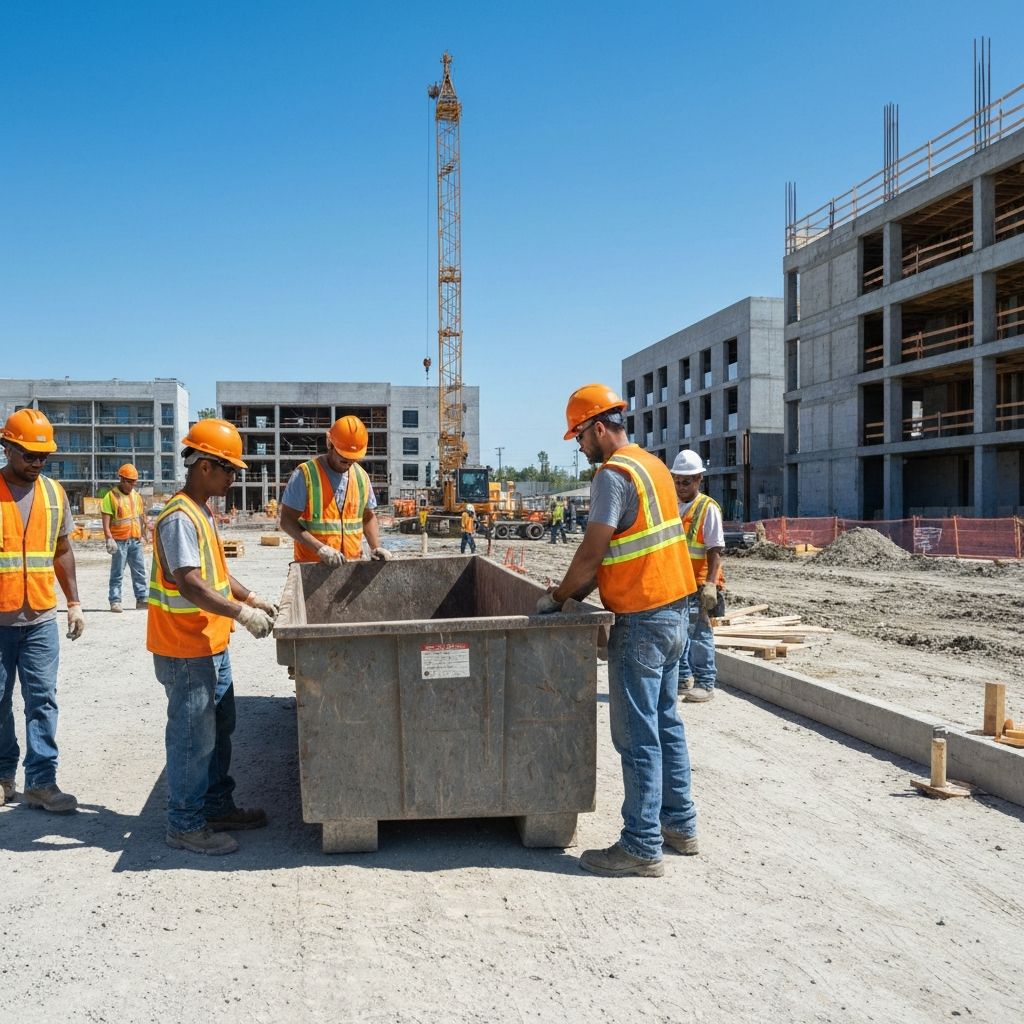
Regularly clearing debris from your work area improves safety and productivity. Make it a habit to load the dumpster at the end of each work day. This prevents debris from accumulating and becoming a hazard.
Prohibited Items
Remember that certain items cannot go in a standard dumpster:
- Hazardous materials (paint, chemicals, asbestos)
- Appliances with freon
- Tires
- Batteries
Check with your dumpster rental company about proper disposal methods for these items.
At Dumpster Direct Services, we're here to make your renovation project as smooth as possible. Contact us for flexible rental periods and competitive pricing.